Home / Hayati Pro Max 70-30 E-Liquid
Hayati Pro Max 70-30 E-Liquid
Hayati Pro Max 70/30 E-Liquid is the higher-VG side of the bottled range: 20 flavours, each a 120ml shortfill supplied at 0mg, blended 70 per cent vegetable glycerine to 30 per cent propylene glycol, all at £6.99. The thicker base is built for sub-ohm coils and direct-to-lung hardware, where a thin liquid seeps through wide wicking ports and a high-nicotine salt would be unusable.
This page covers what the ratio changes, how to match it to coil resistance and wattage, the nicotine shot arithmetic for low finished strengths, and all 20 flavours named. It also covers the basics of looking after higher-power hardware. Hayati Flavours is an independent UK retailer of Hayati products. Every product here is for adults aged 18 and over.
New ProductsHayati PodsHayati Prefilled Pods & RefillsHayati Pod KitsHayati Prefilled Pod KitsHayati E-LiquidsHayati Pro Ultra Plus Prefilled Pod Kits & PodsHayati Pro Max Plus PodsHayati Pro Max Plus Prefilled Pod KitHayati Pro Max Nic SaltsHayati Pro Ultra Plus PodsHayati Pro Ultra Plus Prefilled Pod KitHayati Mini UltraHayati RubikHayati Mini Ultra PodsHayati Mini Ultra Prefilled Pod KitHayati Pro Max 50-50 E-LiquidHayati Pro Max 70-30 E-LiquidHayati Rubik Prefilled Pod KitHayati Rubik PodsHayati Nicotine PouchesHayati QuokkaBerry VapesRaspberry VapesIce VapesStrawberry VapesBlueberry VapesCherry VapesLemon VapesExotic VapesSweet VapesBlueberry Raspberry VapesPeach VapesWatermelon VapesApple VapesLemon Lime VapesMango VapesPineapple VapesLemonade VapesCola VapesGrape VapesMint VapesStrawberry Raspberry Ice VapesBlackcurrant VapesJuicy Peach VapesMr Blue VapesSummer Dream VapesBanana VapesKiwi VapesFresh Mint VapesMenthol VapesOrange Vapes
The range in numbers
Every listing in this collection shares one specification, so the only decision you are making is a flavour.
- 20 flavours, the same twenty carried by the 50/50 shortfill range in a thinner base.
- 120ml bottles, supplied at 0mg with headroom in the neck for nicotine shots.
- 70:30 VG/PG throughout.
- £6.99 per bottle, which is under 6p per millilitre of base.
Sixteen of the twenty also exist as 10ml nicotine salts in Pro Max Nic Salts. That is not a suggestion to use a salt in a sub-ohm coil - it is not - but it does let you taste a profile cheaply in a pod before buying 120ml of it for a tank.
What 70:30 changes
The two numbers on the bottle describe the base: 70 per cent vegetable glycerine, 30 per cent propylene glycol. Flavour concentrate makes up a small percentage on top. Shifting twenty points of that ratio from PG to VG changes four things at once.
Viscosity
VG is thick and syrupy; PG is thin and almost watery. A 70:30 liquid pours noticeably more slowly than a 50:50 and takes longer to soak into cotton. That thickness is the entire reason it belongs in sub-ohm hardware, where wicking ports are large and a thin liquid would run straight through them into the airway.
Vapour production
VG is what produces visible vapour. At 70 per cent and driven by a low-resistance coil at meaningful power, the output is several times what a pod produces. This is the characteristic most people are buying the format for.
Throat sensation
Softer. PG carries most of the scratch at the back of the throat, so reducing it smooths the draw. Combined with the low finished nicotine strengths that suit sub-ohm use, a 70:30 mix is gentle on the throat despite the volume of vapour.
Flavour presentation
Rounder and slightly sweeter, with the sharp top notes a little less prominent than in a 50:50. VG has a mild sweetness of its own, and it is a less efficient solvent for flavour concentrates, so the same profile reads as softer. Some flavours benefit from this; the sharply sour ones give up a little of their edge.
Sub-ohm and direct-to-lung, explained
What sub-ohm means
A coil with a resistance below one ohm. In practice the term describes coils in the 0.15 to 0.6 ohm range, which draw more current and therefore produce more heat and more vapour than the 1.0 ohm coils used in mouth-to-lung pods. More heat vaporises more liquid per second, which is why sub-ohm devices get through a 120ml bottle in a fraction of the time a pod would.
What direct-to-lung means
A draw taken straight into the lungs in one movement, rather than held in the mouth first. It requires open airflow so that a large volume of air and vapour can move quickly. DTL hardware, sub-ohm coils and high-VG liquid are three parts of one system; changing one without the others produces a poor result.
Mesh coils
Most modern sub-ohm coils use a mesh strip rather than a wound wire. Mesh has a larger surface area in contact with the cotton, which means it heats more evenly, ramps up faster and tends to give better flavour at a given wattage. It also demands liquid at a rate that only a high-VG base can sustain without the wick drying out.
Restricted direct-lung
RDL sits between MTL and full DTL: a lung inhale taken through tightened airflow, usually on coils around 0.6 to 0.8 ohms at 18 to 25 watts. A straight 70:30 works here but can be a touch thick. The neat solution, since both ratios carry the same twenty flavours, is to mix equal parts of this bottle and its 50/50 counterpart, which gives a 60:40 base with an identical taste.
Coil, power and liquid
| Coil | Typical power | Airflow | Draw | 70/30 verdict |
|---|---|---|---|---|
| 0.15 to 0.2 ohm | 60 to 80W | Wide open | Full DTL | Ideal, consider higher VG still |
| 0.2 to 0.3 ohm | 45 to 65W | Open | Full DTL | Ideal |
| 0.3 to 0.5 ohm | 25 to 45W | Open | DTL | Ideal, the core pairing |
| 0.6 to 0.8 ohm | 18 to 25W | Restricted | RDL | Good, or blend to 60:40 |
| 0.8 to 1.2 ohm | 10 to 18W | Tight | MTL | Too thick, use the 50/50 |
Why a 120ml bottle contains no nicotine
The rule
UK law caps any bottle of nicotine-containing e-liquid at 10ml and caps nicotine itself at 20mg per millilitre. Those limits come from the Tobacco and Related Products Regulations, which implement the Tobacco Products Directive into UK law. A 120ml bottle cannot legally contain nicotine, so it is sold at 0mg.
The workaround, which is entirely legitimate
The bottle is filled short of capacity with 0mg flavoured base. You buy compliant 10ml nicotine shots separately and add them yourself. The finished liquid sits at a low strength, and every component has been sold within the rules. This is the standard way large-format liquid reaches UK customers.
Read your own bottle
A shortfill is named for its capacity, not its contents - it is short-filled on purpose. The label states how much 0mg base has been supplied and how much room is left. Every calculation below depends on that figure, so read it rather than assuming.
Or add nothing
Used as supplied, a 70/30 shortfill is flavoured vapour with no nicotine in the bottle. For sub-ohm users who have moved away from nicotine but still want the hardware and the flavour, this is the cheapest liquid in the catalogue. Zero-nicotine vaping products remain age-restricted and are sold to over-18s only.
Nicotine shot arithmetic for sub-ohm use
Why the target is low
A sub-ohm coil vaporises far more liquid per draw than a pod coil. Nicotine delivery scales with the volume of vapour, not just with the milligram figure on the bottle, which is why 3mg is the conventional target for DTL use while a pod user might want 10mg or 20mg. Putting a high-strength liquid through a 0.3 ohm coil at 40 watts is unpleasant and easily avoided.
The formula
Multiply shot strength by shot volume, divide by the finished total. Two 10ml shots at 18mg is 360mg of nicotine; added to 100ml of base that is 360mg across 120ml, or 3mg per millilitre.
Worked examples
- 100ml of base plus two 10ml shots at 18mg finishes as 120ml at 3.0mg per millilitre, the standard sub-ohm target.
- 100ml plus two 10ml shots at 20mg finishes as 120ml at 3.3mg per millilitre.
- 100ml plus a single 10ml shot at 18mg finishes as 110ml at about 1.6mg, which suits very high-power hardware.
- 80ml decanted plus two 10ml shots at 18mg finishes as 100ml at about 3.6mg.
- 60ml decanted plus two 10ml shots at 20mg finishes as 80ml at 5.0mg, which suits a tighter restricted-lung set-up.
Three milligrams is the standard landing point for a 0.3 to 0.5 ohm coil. If you run a tighter RDL set-up at 0.8 ohms, 5 or 6mg is more appropriate, which the decanting rows show how to reach. A single shot in the full bottle, giving about 1.6mg, suits very high-power hardware where even 3mg feels strong.
Which shots to use
Freebase shots at 18mg are the conventional pairing for a 70:30 base heading for a sub-ohm coil. Salt shots exist and are legal, but their advantage - smoothness at high strength - is irrelevant when you are aiming for 3mg, and they are better spent on a pod mix. Note that most shots are blended at 50:50, so adding two of them to a 70:30 base pulls the finished ratio down by roughly three or four points, to somewhere around 67:33. That is well within tolerance for any sub-ohm coil.
Mixing method
- Work over a tray. A full neck and a thick liquid is a combination that finds the worktop.
- Remove any nozzle insert first; a 70:30 base will not pour quickly through a fine-bore tip.
- Add shots one at a time, capping after each.
- Shake hard for a full minute. Thick liquid needs more agitation than thin liquid to combine evenly.
- Let it stand an hour before filling a tank. Shaking a high-VG liquid introduces a lot of air, and air in a coil is a dry hit.
- Write the strength and the date on the bottle.
All twenty flavours
Each is stocked as a 120ml, 0mg, 70:30 bottle at £6.99. The notes below describe how each behaves in higher-power hardware, where the base rounds off sharp edges and the extra vapour amplifies cooling.
| Flavour | Family | At sub-ohm power |
|---|---|---|
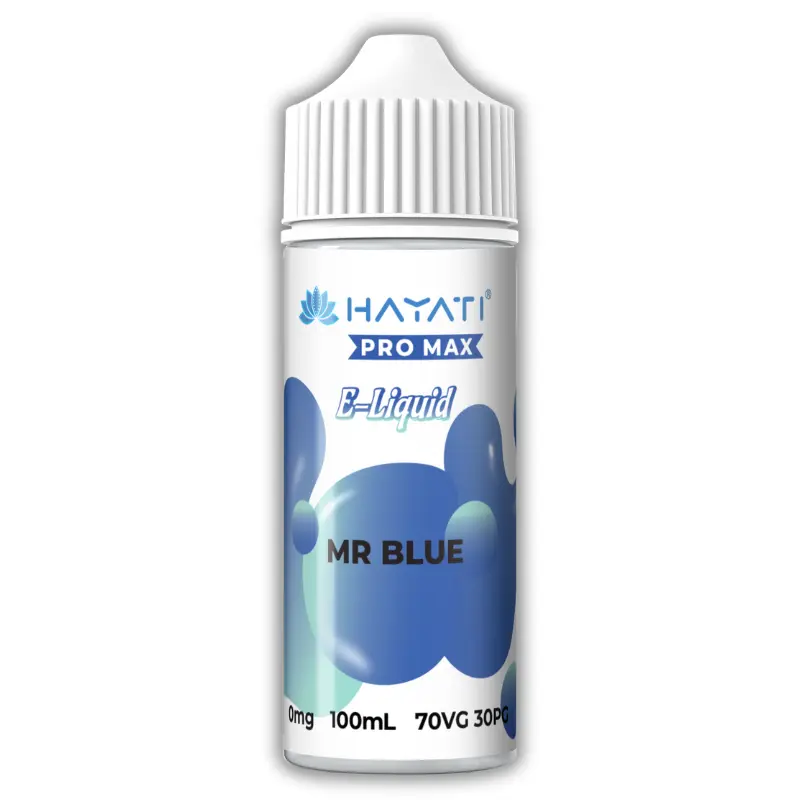
| Mr Blue | Blue fruit | The house signature; the extra VG makes it rounder and sweeter |
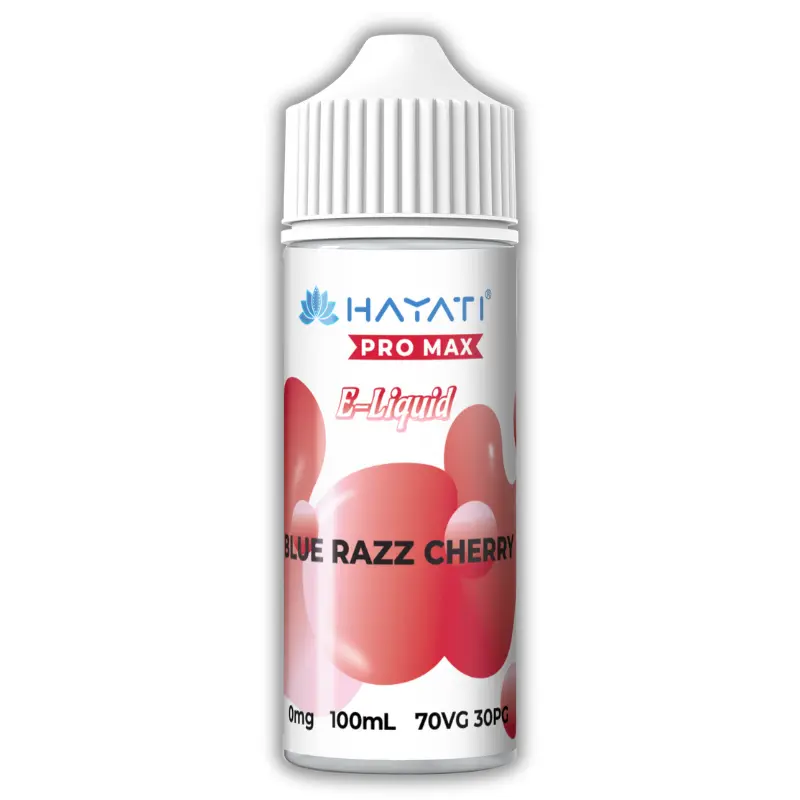
| Blue Razz Cherry | Berry | Cherry comes forward as the raspberry sharpness softens |
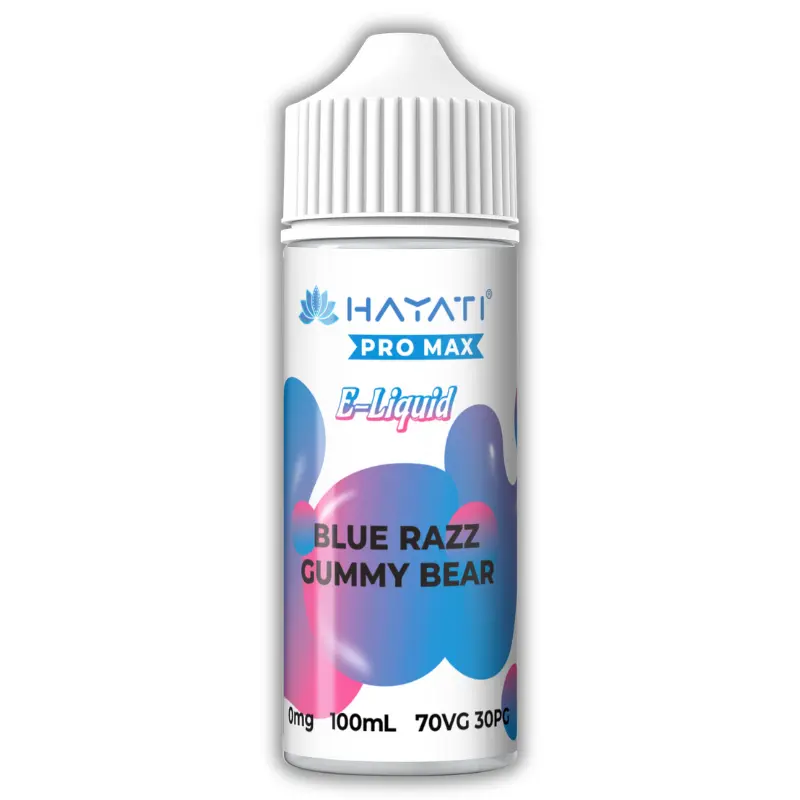
| Blue Razz Gummy Bear | Sweets | Confectionery profile, heavy on the coil |
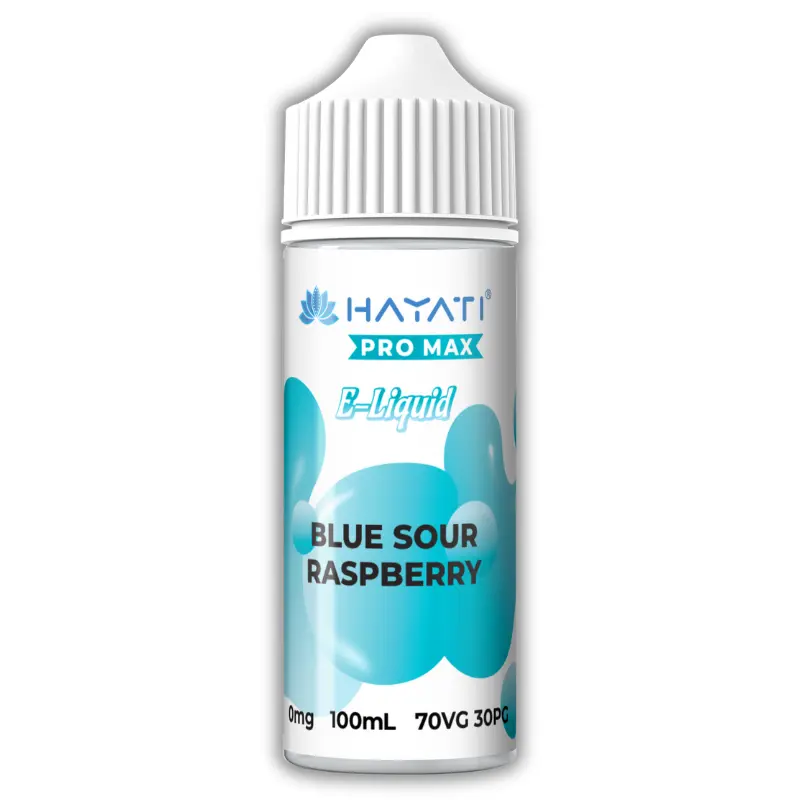
| Blue Sour Raspberry | Berry | Loses a little sourness, gains body |
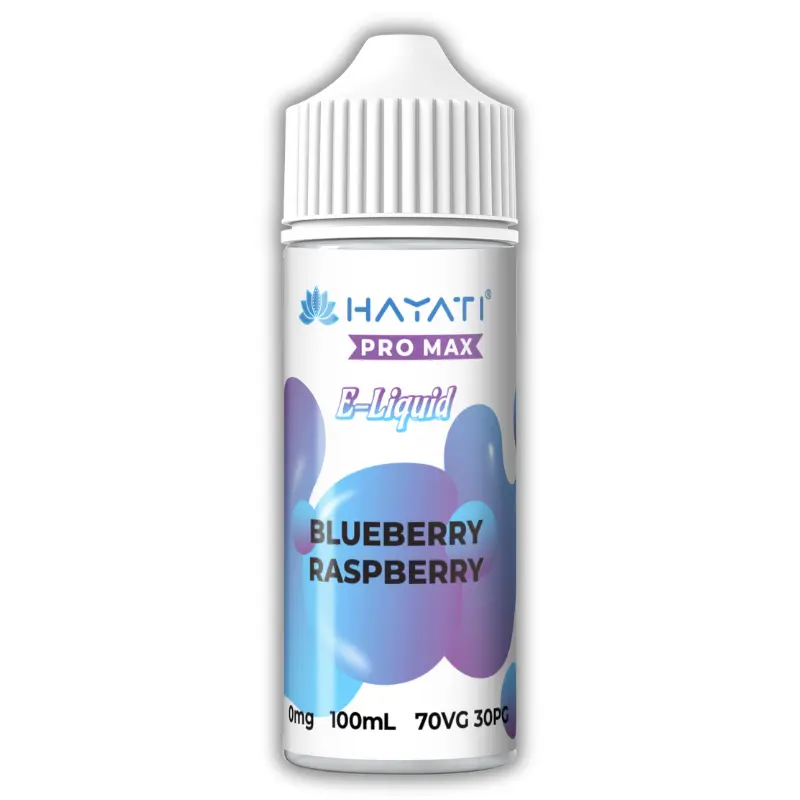
| Blueberry Raspberry | Berry | The straightforward two-berry staple |
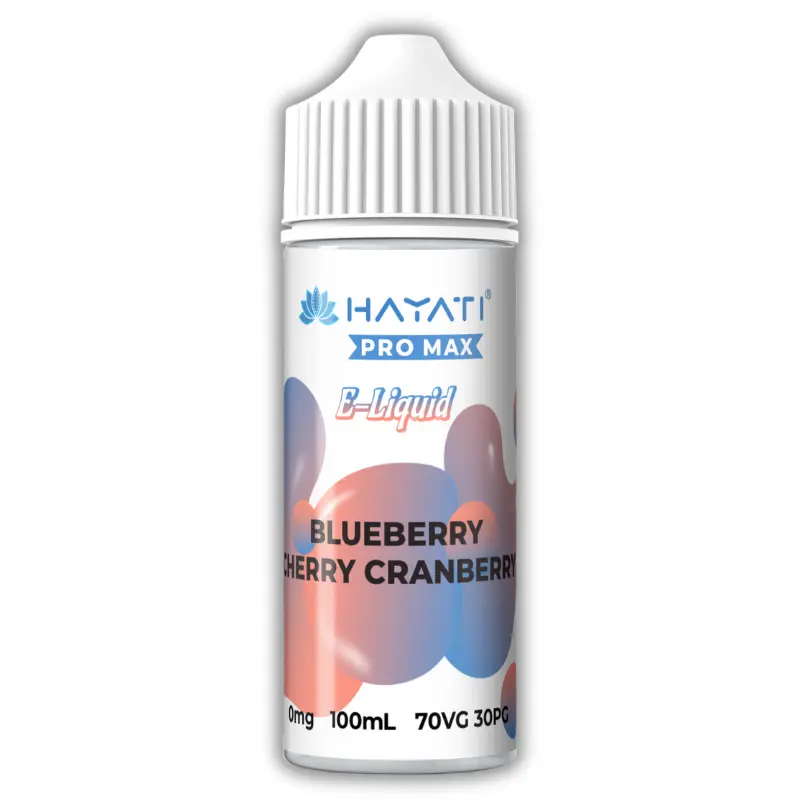
| Blueberry Cherry Cranberry | Berry | Darker and tart; holds its edge better than most |
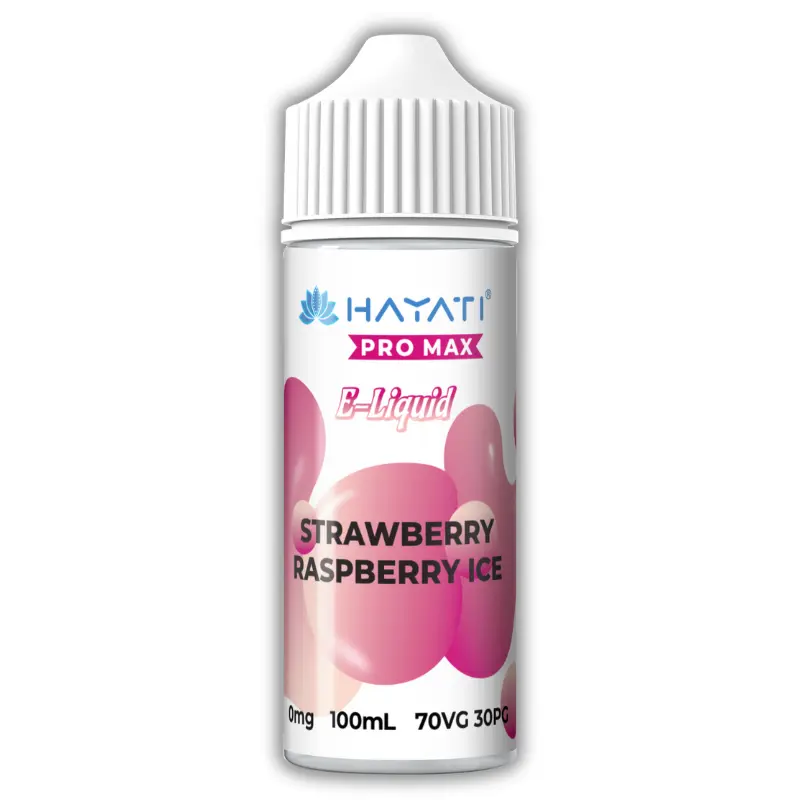
| Strawberry Raspberry Ice | Berry ice | Cooling amplified by vapour volume |
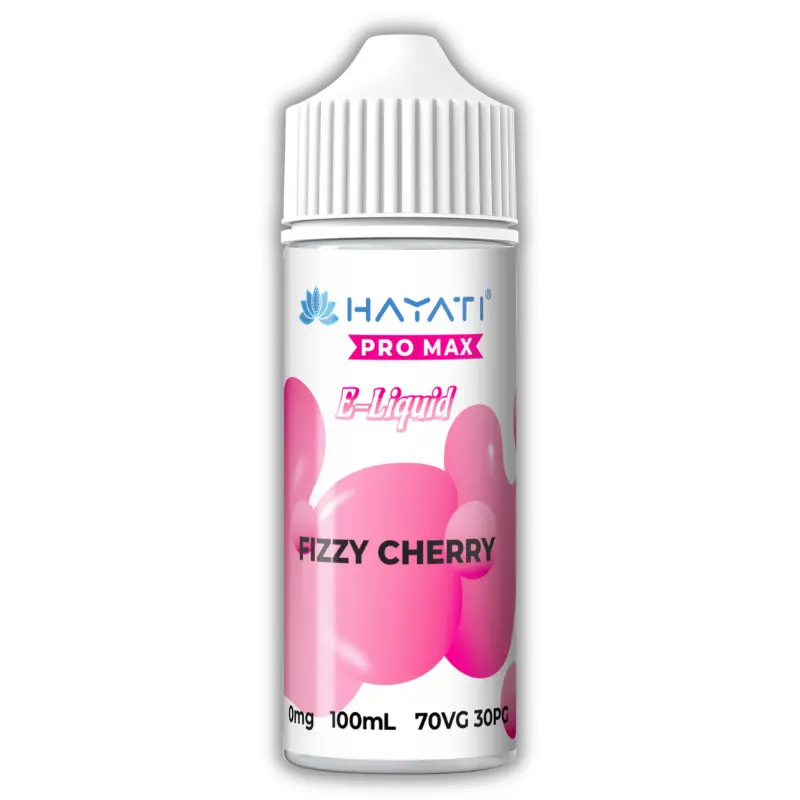
| Fizzy Cherry | Red fruit | The carbonated lift is more subtle here |
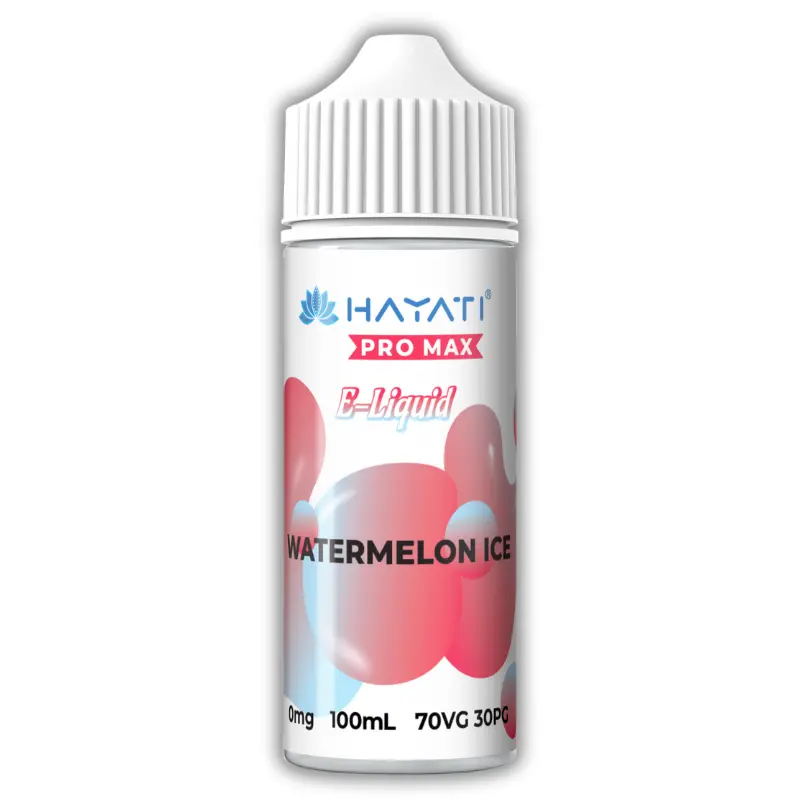
| Watermelon Ice | Fruit ice | One of the most effective at high wattage |
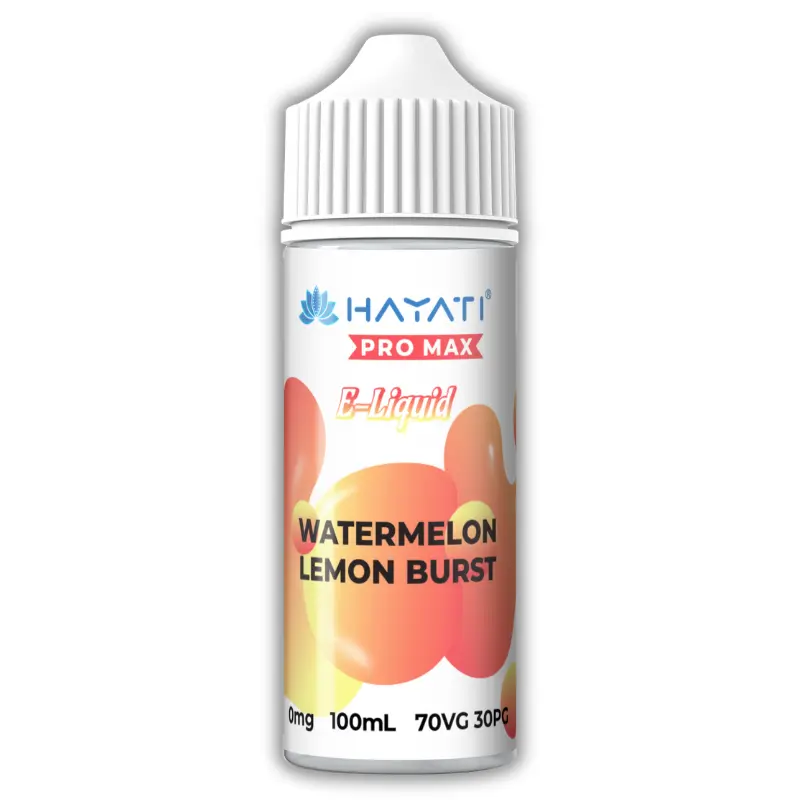
| Watermelon Lemon Burst | Fruit citrus | Lemon keeps the watermelon from turning cloying |
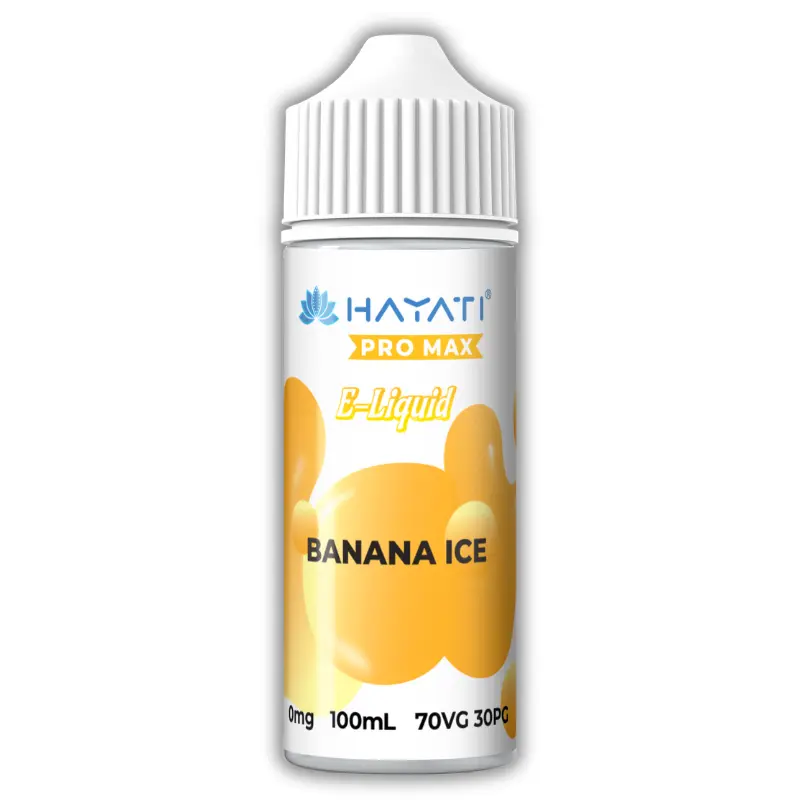
| Banana Ice | Fruit ice | Creamy; VG suits it better than a thin base does |
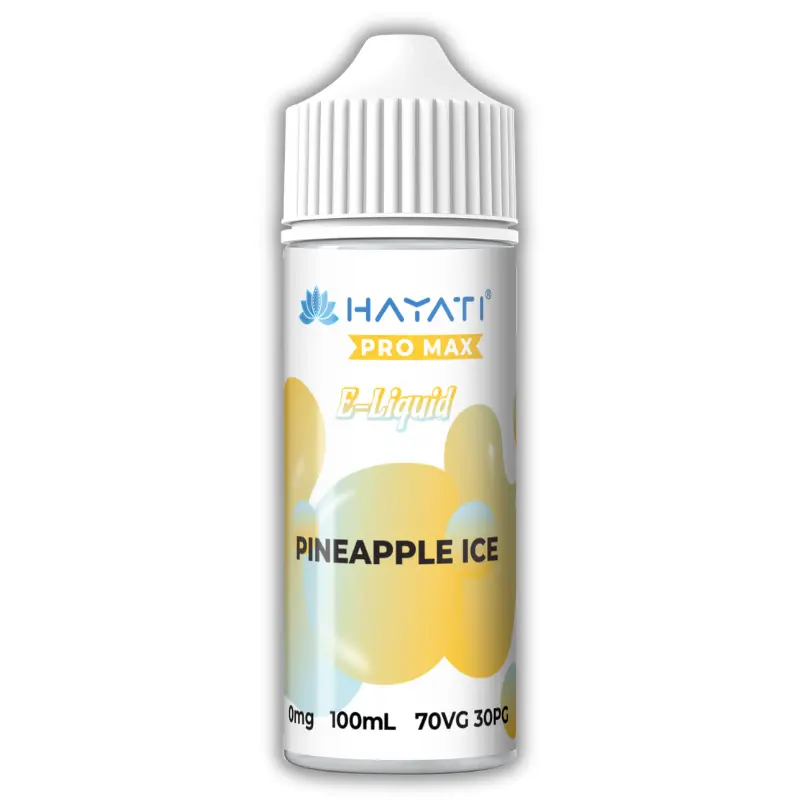
| Pineapple Ice | Tropical ice | Sharp fruit, strong cooling |
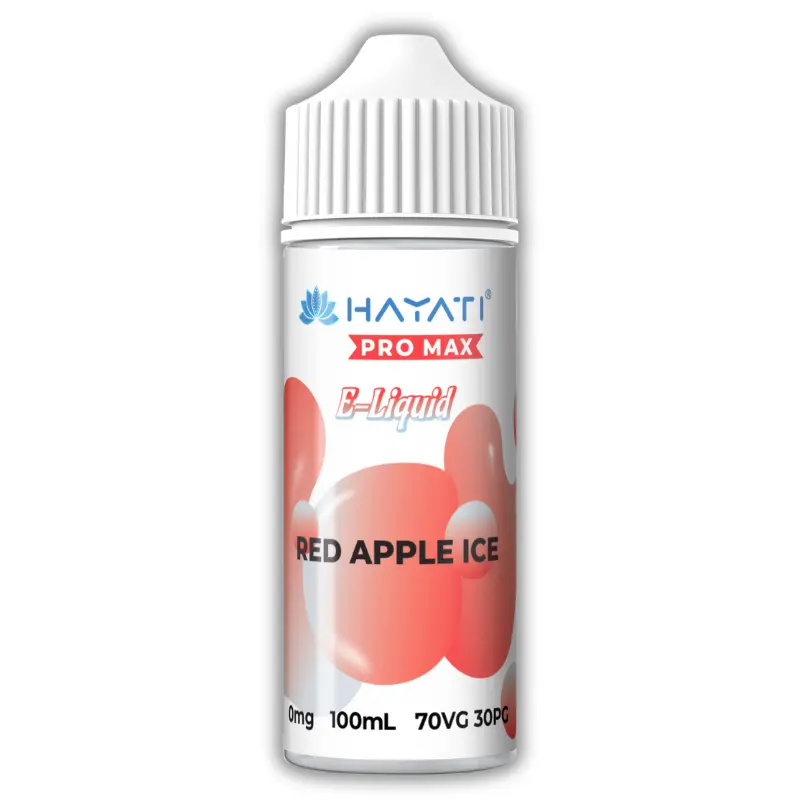
| Red Apple Ice | Orchard ice | Crisp apple with a cold finish |
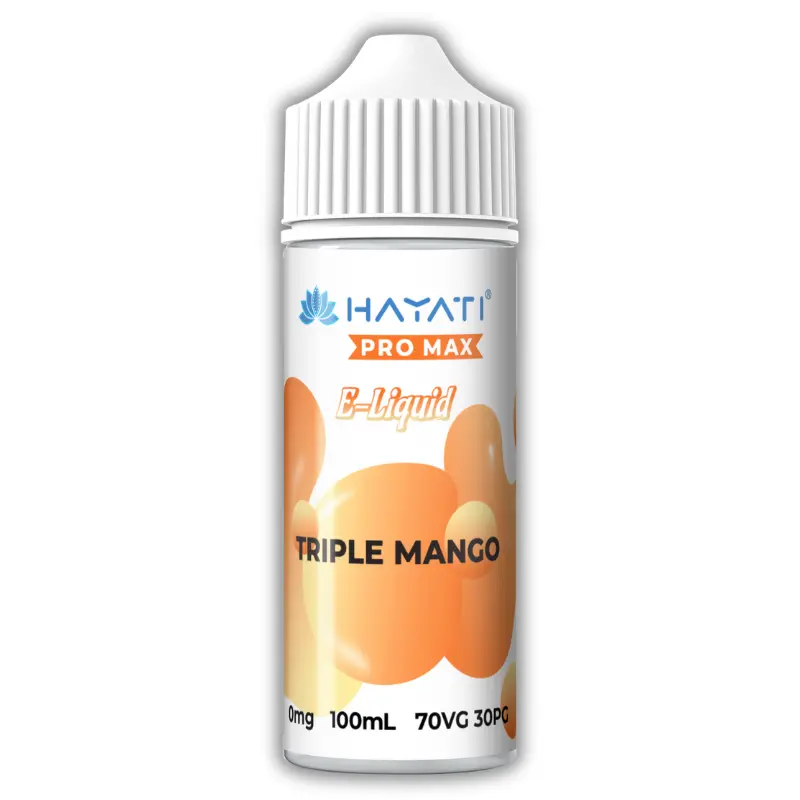
| Triple Mango | Tropical | Layered mango; the sweetness builds at higher power |
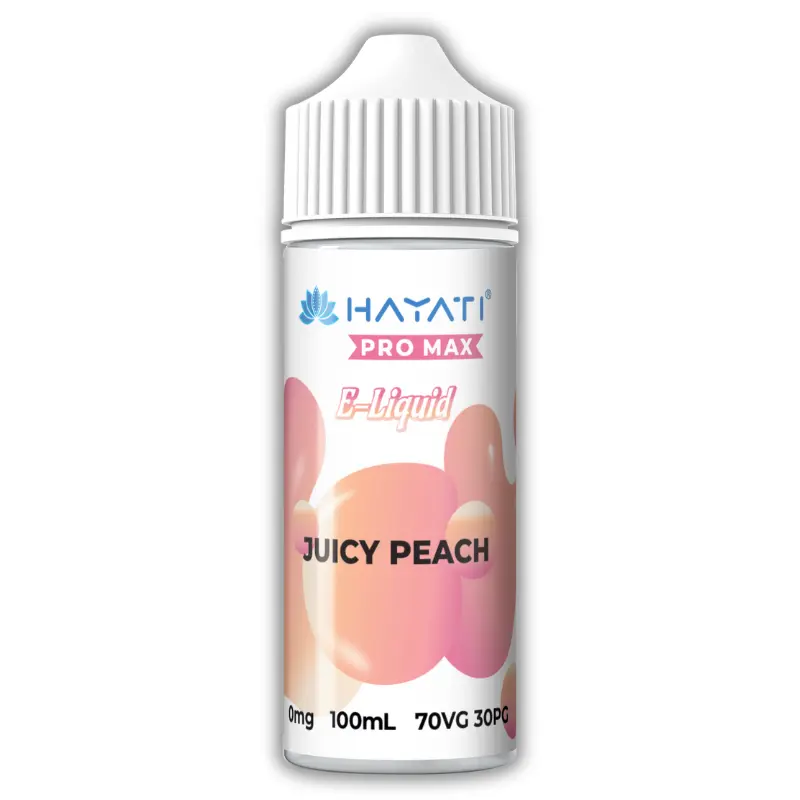
| Juicy Peach | Stone fruit | Ripe and full, rounded by the base |
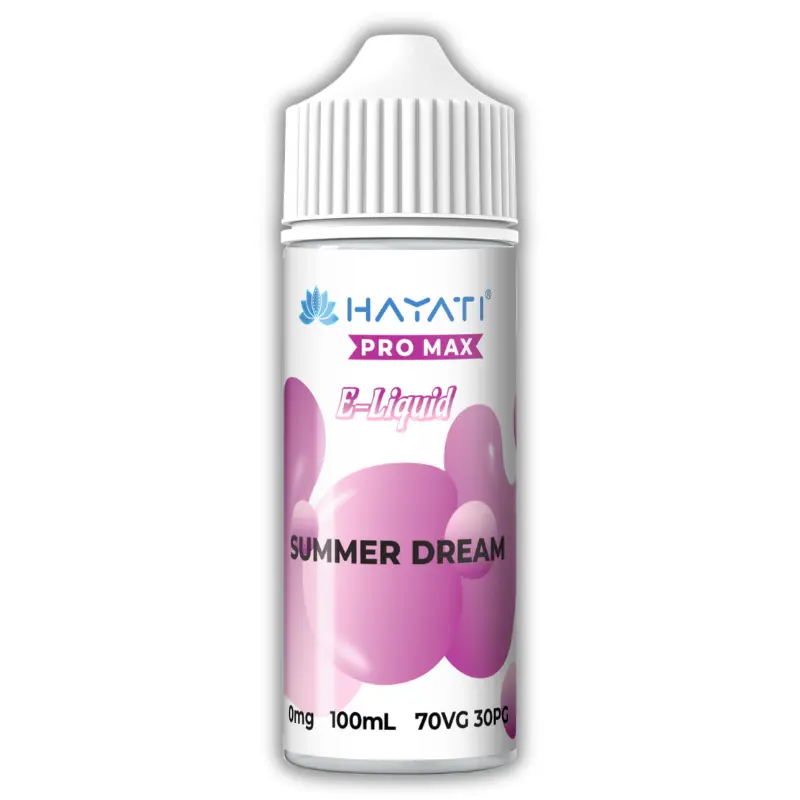
| Summer Dream | Tropical | The house tropical blend |
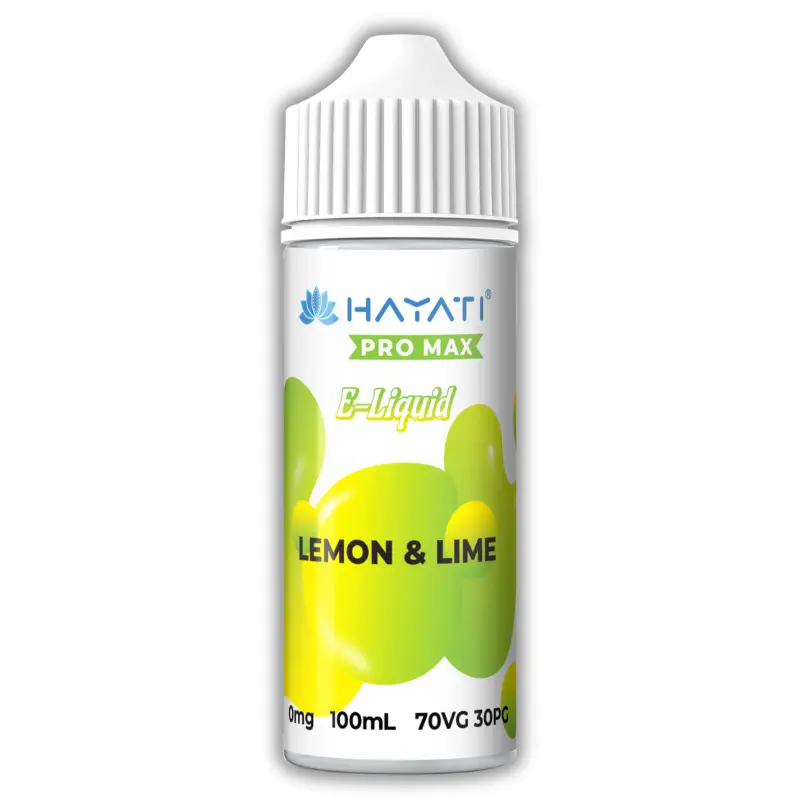
| Lemon Lime | Citrus | Clean and dry; the least sweet bottle in the range |
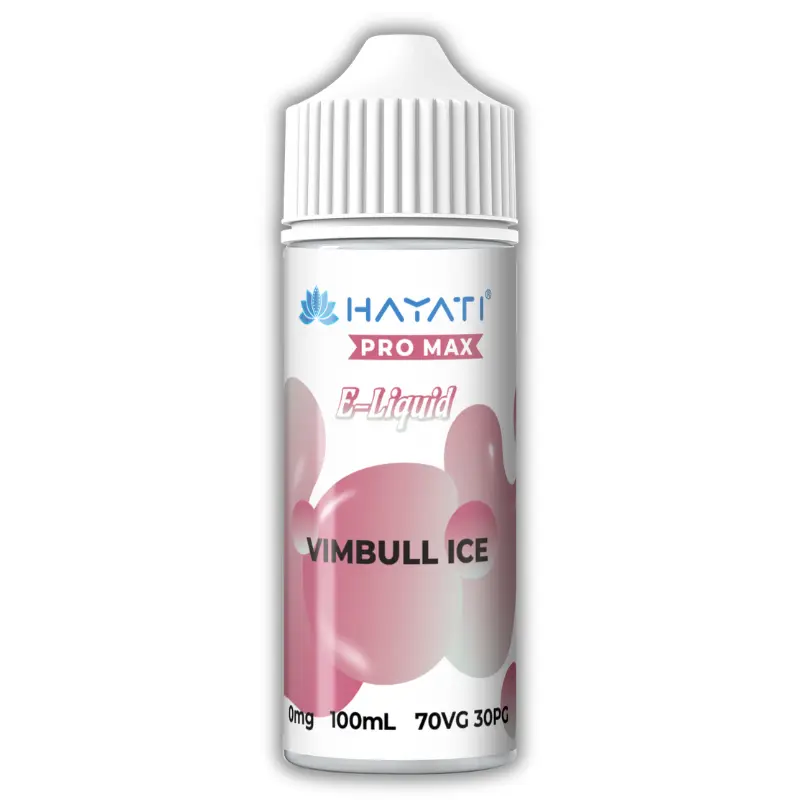
| Vimbull Ice | Soft drink | Mixed berry soft-drink profile with cooling |
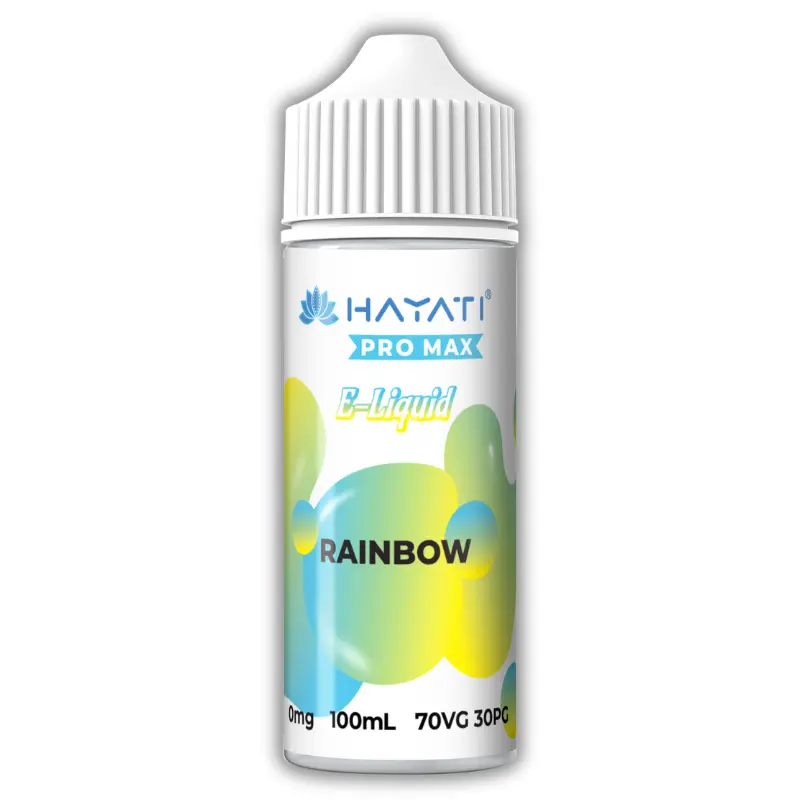
| Rainbow | Sweets | Multi-fruit candy; expect shorter coil life |
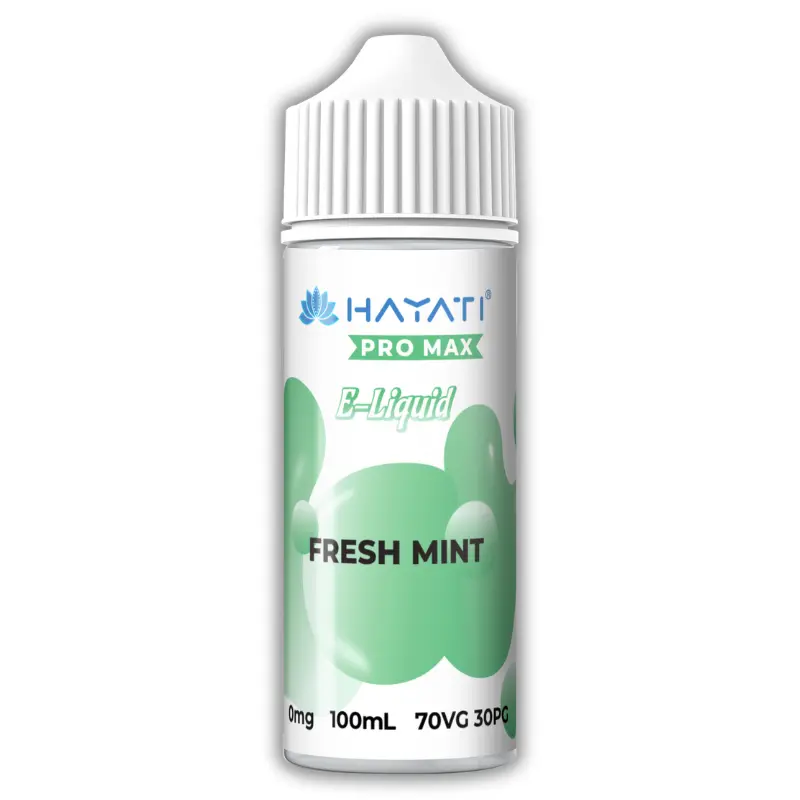
| Fresh Mint | Mint | Clean mint, and the kindest flavour in the range to a coil |
Where these sit in the wider catalogue
The cooled bottles - Watermelon Ice, Pineapple Ice, Red Apple Ice, Banana Ice, Vimbull Ice and Strawberry Raspberry Ice - belong with Ice Vapes. The berry block sits across Berry Vapes, Blueberry Vapes and Raspberry Vapes. Triple Mango and Summer Dream are in Mango Vapes and Exotic Vapes, Juicy Peach in Juicy Peach Vapes, Watermelon Ice and Watermelon Lemon Burst in Watermelon Vapes, Rainbow and Blue Razz Gummy Bear in Sweet Vapes, and Fresh Mint in Mint Vapes.
Three to start with
If you are new to the range, take one cold, one sweet and one plain: Watermelon Ice, Triple Mango and Fresh Mint. That is 360ml for £20.97, which also clears free UK delivery, and it gives you somewhere to go whatever the day looks like rather than three versions of the same idea.
Coils, power and airflow
Coil life at higher power
Why sub-ohm coils wear faster. More heat, more liquid vaporised, more residue. A coil running at 45 watts is doing several times the work of a pod coil at 12 watts, and it accumulates the non-volatile parts of flavour concentrate correspondingly faster. A week to ten days is a normal working life for a mesh coil on a sweet liquid; a clean mint might stretch past a fortnight.
Sweeteners. Sucralose and similar sweeteners do not vaporise cleanly. They caramelise onto the coil, which dulls flavour and eventually produces a scorched note even when the wick is wet. Rainbow, Blue Razz Gummy Bear and Vimbull Ice will darken a coil faster than Lemon Lime or Fresh Mint. This is a longevity issue, not a fault, and it is the price of confectionery profiles.
Priming properly. A 70:30 liquid soaks into cotton slowly, which makes priming more important here than anywhere else in the range. Saturate the visible wicking ports until the cotton darkens, fit the coil, fill the tank, and then wait ten minutes - not five. Take the first two or three draws at the bottom of the coil's wattage range before settling at your usual power.
Getting the most from a coil.
- Stay inside the printed wattage range. The top of it shortens coil life sharply.
- Do not chain-draw. Give the wick a few seconds between pulls to resupply, particularly on a thick liquid.
- Keep the tank above a quarter full. A low tank starves the ports.
- Replace at the first hint of a scorched note rather than pushing on. A burnt coil never recovers.
Running higher-power hardware sensibly
Sub-ohm devices draw substantial current, and most use removable lithium cells. A few habits cover almost everything that goes wrong.
- Inspect battery wraps. A torn or nicked wrap on a removable cell exposes the negative casing and can short against the inside of a device. Re-wrap or replace; never use a damaged cell.
- Carry spare cells in a case. Loose batteries in a pocket with keys or coins are the single most common cause of vaping battery incidents.
- Use the correct charger and do not leave cells charging unattended overnight.
- Match the cell to the device. A device drawing high current needs a cell rated for it. Check the continuous discharge rating rather than the capacity claim on the wrap.
- Respect the coil's rating. Regulated devices will refuse an out-of-range coil for a reason.
- Let a hot device cool. If it is uncomfortably warm to hold, put it down.
None of this is exotic. It is the same care you would take with any lithium-powered device, applied to one you hold to your mouth.
Airflow, and how it shapes a draw
Airflow is the most underused control on a sub-ohm device. People set a wattage, leave the airflow wide open because that is how it arrived, and then wonder why the flavour is thin.
What opening the airflow does. More air moving past the coil means cooler vapour, a larger volume of it, and flavour spread thinner across that volume. Wide open suits high wattage: you need the extra air to carry the heat away, and the vapour would otherwise be uncomfortably hot. It also suits a fast, easy inhale.
What closing the airflow does. Less air means warmer, denser vapour with flavour concentrated into a smaller volume. Restricting the airflow on a 0.3 ohm coil at 40 watts will make the draw noticeably hotter, which is why closing airflow and raising wattage at the same time is a mistake. Adjust one, then the other.
Finding your setting. Start wide open at the bottom of the coil's wattage range. Close the airflow in small increments until the draw feels restricted, then open it back one step. Only then start raising the wattage. Five minutes of this, once, with a fresh coil, will do more for the flavour of a 70:30 bottle than changing brands ever will.
Airflow and liquid consumption. Open airflow at high wattage gets through liquid quickly - this is where 10 to 15ml a day comes from. Restricting it and dropping the wattage a few steps can cut consumption meaningfully without much loss of flavour, which is worth knowing if a 120ml bottle is disappearing faster than you expected.
What wattage is actually doing
A regulated device lets you set a power figure, and the number is more meaningful than it first appears.
Power, resistance and heat
Wattage is the rate at which energy is delivered to the coil. A lower-resistance coil draws more current at the same voltage, which is why a 0.2 ohm coil reaches temperature faster and produces more vapour than a 0.5 ohm one. The printed wattage range on a coil is the manufacturer's statement of the band within which the mesh heats evenly and the wick can keep up.
Why the range has a bottom as well as a top
Running below the range gives cool, wet vapour and muted flavour, because not enough of the liquid on the mesh is being vaporised. People often read that as a bad liquid and buy something else, when the fix was four more watts. Running above the range vaporises liquid faster than the cotton can resupply it, which scorches the wick.
Ramp-up and draw length
Mesh coils reach temperature quickly, so a long, slow draw on a high-wattage setting delivers most of its vapour early and then starts to outpace the wick. Shorter, more deliberate draws with a pause between them generally give better flavour and longer coil life than sustained pulls.
Temperature control
Some devices offer temperature control modes with compatible coils. They cap the coil temperature rather than the power, which can prevent dry hits outright. It works well when device and coil are properly matched and poorly when they are not, so treat it as a feature to test rather than a default.
Moving to sub-ohm: cost, consumption and rotation
What the jump involves
Most people arrive at this collection from a sealed prefilled device, and the jump is larger than from a pod to a bottle.
What changes immediately
Nicotine strength drops by a factor of six or seven, from the 20mg in a sealed pod down to around 3mg in a sub-ohm mix. That is not a reduction in nicotine delivery by the same factor, because a sub-ohm coil vaporises far more liquid per draw, but the sensation is different and it takes a few days to recalibrate. Vapour production rises substantially, which is not a discreet change.
What you take on
Coils, priming, wattage, airflow, refilling, battery care and mixing. None of it is difficult but all of it is your responsibility now, where a prefilled pod handled every part of it. The trade is control and running cost against convenience.
A sensible transition
Keep a prefilled device in reserve for the first month. A Mini Ultra kit at £3.99 or a Rubik kit at £5.99 is cheap insurance for the day you burn a coil and have no spare. Plenty of people never fully drop the prefilled device; it becomes the thing that goes out on a Friday night while the tank stays at home.
If sub-ohm turns out not to suit you
That is common and not a failure. Tight, low-power mouth-to-lung is closer to what most prefilled devices actually deliver, and the 50/50 shortfills or 10ml nic salts serve it directly. The twenty flavours here are the same twenty there, so nothing is wasted in the attempt.
What sub-ohm actually costs to run
Liquid is cheap at this ratio; consumables and consumption are where the money goes.
- 5ml a day: about 35ml a week, roughly 1.3 shortfills a month, or around £9 of base.
- 10ml a day: about 70ml a week, roughly 2.5 shortfills a month, or around £17 of base.
- 15ml a day: about 105ml a week, roughly 3.8 shortfills a month, or around £26 of base.
Those figures exclude nicotine shots and coils. Shots are the smaller of the two at 3mg targets, since two per bottle is typical. Coils are the real variable: a mesh coil replaced weekly on sweet liquid adds up faster than the liquid does. If your costs are climbing, look at coil consumption before you look at bottles, and consider whether a less heavily sweetened profile would stretch each one further.
For comparison, running the same volume through sealed prefilled pods is not realistic. Fifteen millilitres a day would be more than a Pro Max Plus Pod per day at £5.49 each. Sub-ohm hardware and large-format liquid exist together precisely because that consumption rate makes any other format absurd.
Building a rotation when you buy in volume
Buying 120ml at a time makes flavour fatigue expensive. The fix is to run more than one bottle at once rather than working through them sequentially.
Palate desensitisation to a profile you have used continuously is ordinary and reversible. Switching to a contrasting family for a day or two restores normal sensitivity. That is easy with 10ml bottles and requires a little planning with 120ml ones.
- Buy across families, not within one. Three berry bottles is one flavour with variations; a berry, a cooled fruit and a mint is a rotation.
- Keep a plain bottle open. Fresh Mint or Lemon Lime serves as a palate reset and is kind to coils, which makes it a useful thing to switch to when a coil is getting tired anyway.
- Run two tanks if you have them. A second device dedicated to a contrasting flavour removes the friction of swapping.
- Do not shot everything at once. Unshotted base keeps better, so mix what you will use and leave the rest sealed.
Seasonally, most customers drift toward cooled and citrus profiles in summer and toward sweeter, rounder ones in winter. If you are stocking up for a few months, weight the order that way rather than buying three of the same thing.
70/30 against 50/50, same twenty flavours
| 70/30 shortfill | 50/50 shortfill | |
|---|---|---|
| Texture | Thick, slow to wick | Thin, wicks quickly |
| Vapour | High | Modest |
| Throat sensation | Soft | Pronounced |
| Flavour character | Rounder, sweeter | Sharper, more defined |
| Coil range | Below 0.6 ohm | 0.8 ohm and above |
| Typical finished nicotine | 3mg | 5 to 12mg |
| Risk if mismatched | Dry hits in small coils | Seeping through large ports |
| Price | £6.99 | £6.99 |
Because the flavour lists are identical, changing hardware never means giving up a taste you have settled on. It means buying the other bottle.
Tanks: capacity, refilling and cleaning
One detail catches people moving to sub-ohm hardware in the UK: the 2ml cap on tank and pod capacity applies to every compliant device sold here, regardless of how much power it draws. There is no larger legal option.
That has a practical consequence. A sub-ohm coil at 40 watts will empty 2ml considerably faster than a pod coil at 12 watts empties the same volume, so you will refill several times a day. It is the main reason a decanted 30ml bottle in a pocket is more useful than a 120ml bottle on a shelf.
Some tanks include a bubble or extended glass section that changes the shape without exceeding 2ml. Others are sold with a larger glass intended for markets without the cap; a device sold compliantly in the UK will be fitted with the 2ml version. Refilling frequently is simply part of running this style of hardware.
Refilling cleanly
- Top up before the tank drops below a quarter. Running low starves the wicking ports and is the quickest way to scorch a coil.
- Angle the nozzle against the inside of the glass rather than straight down the central airway. Liquid down the chimney causes gurgling and spitting.
- Leave a small air gap. A completely full tank has nowhere to vent as it warms and will weep through the airflow.
- Close the fill port firmly and stand the tank upright for a minute before the first draw.
Keeping a tank clean
Residue builds up faster at sub-ohm power than anywhere else in vaping, and a dirty tank makes a good coil taste mediocre.
When you change a coil, take the chance to strip the tank down. Warm water is sufficient for most of it: rinse the glass, the chimney and the base, paying attention to the airflow slots where condensed liquid collects. Dry everything thoroughly before reassembly, because water left in the base will thin the first fill and can cause spitting. Avoid dish soap, which leaves a taste that survives several fills, and avoid anything abrasive on the glass.
Seals are worth inspecting at the same time. The O-rings around the coil and the base are what stop a tank leaking, and they perish with heat over time. Most tanks ship with spares for exactly this reason. A tank that has started leaking with no change to your filling habits usually has a flattened or split seal rather than a fault.
If you switch between strongly contrasting flavours - Vimbull Ice to Fresh Mint, say - a full strip-down between them is the only reliable way to stop the old profile bleeding through. Otherwise expect the first tank of the new flavour to taste of both.
Decanting, storage and shelf life
Decant the bulk
A 120ml bottle is awkward to fill a tank from and exposes the whole volume to air every time you open it. Fill a 30ml bottle for daily use, keep the rest sealed and dark, and the last fill will taste like the first. Label every decant with flavour, finished strength and date.
Storage
- Upright, capped, cool and dark. Not a car, not a windowsill, not next to the hob.
- Heat and light degrade flavour and oxidise nicotine in a shotted bottle. Darkening liquid is oxidised nicotine.
- Unshotted 0mg base is the more stable thing to store, because there is no nicotine in it to oxidise. Shot only what you will use in the next month or two.
- Keep all nicotine products, shots included, out of reach of children and pets.
- Never decant into a drinks bottle or anything unlabelled.
Steeping
The base needs none. A freshly shotted bottle benefits from three to five days in a dark cupboard with a daily shake, which settles the slight sharpness some people notice on day one. Using it immediately is fine if you would rather not wait.
Troubleshooting and common misconceptions
Dry hits
The most common complaint on a thick liquid, and almost always a wicking problem. Reduce wattage, pause longer between draws, check the tank is not near empty, and make sure the coil was primed and rested for long enough. If a 0.8 ohm coil keeps drying out on a 70:30, blend the bottle half and half with the 50/50 version to thin it.
Muted flavour
Usually under-powering, a tired coil or an unrested new one. Work up the wattage range one step at a time and give a fresh coil half a tank before judging it.
Leaking
Less common on a thick liquid, but overfilling, a loose coil or a cracked seal will do it. Check the coil is seated, leave a small air gap when filling, and keep the tank upright when it is full.
Spitting or popping
Liquid pooling on the coil, usually after a hard draw on a cold coil or immediately after filling. Fire for a fraction of a second before drawing, or blow gently through the mouthpiece onto a tissue to clear it.
It tastes different to the 10ml salt version
It will. A 3mg freebase liquid in a 70:30 base through a mesh coil at 40 watts is a different presentation of the same concentrate to a 10mg salt in a 50:50 through a 1.0 ohm pod. Ratio, nicotine and hardware have all changed. None of that is a fault.
Three misconceptions about high-VG liquid
"More VG always means better flavour"
It means more vapour, which is not the same thing. VG is a less efficient carrier for flavour concentrate than PG, so a 70:30 presents a profile more softly than a 50:50 does. What makes high-VG liquid taste good in a sub-ohm coil is the volume of vapour and the mesh surface area, not the glycerine itself. In a pod coil the same liquid tastes worse, not better.
"Thicker liquid gunks coils faster"
Sweeteners gunk coils. Vegetable glycerine is not the culprit, and two 70:30 bottles with very different sugar loads will give very different coil lives. Compare Fresh Mint and Rainbow from this range over a fortnight and the difference is obvious.
"You can just add more shots for a stronger mix"
You can, but each shot is 10ml of mostly 50:50 base, so four shots into a full bottle both raises the strength and thins the ratio appreciably. If you want a meaningfully stronger liquid, decant some base off first and shot the smaller volume, which keeps the ratio closer to where you wanted it.
UK compliance
- These products are for adults aged 18 and over, including 0mg bottles. Every order is age-verified.
- Nicotine-containing e-liquid is capped at 20mg per millilitre in the UK.
- A nicotine-containing bottle may not exceed 10ml, which is why shortfills are supplied at 0mg.
- A tank or pod may not exceed 2ml in capacity.
- Nicotine-containing products, including nicotine shots, must be notified to the MHRA before sale in the UK.
- Compliant bottles carry child-resistant and tamper-evident closures and full ingredient information.
- Buying these products for someone under 18 is an offence.
Combining a 0mg shortfill with a compliant nicotine shot for your own use is legal and routine. We make no health claims about anything we sell, and nothing on this page is medical advice.
Ordering, delivery and where to go next
Delivery
UK delivery is free on orders over £20, with a standard charge below that. We ship tracked 24 and tracked 48 and email tracking when the parcel leaves us. Orders placed before the daily cut-off go out the same working day. Three shortfills clears the free delivery threshold, which matters when the bottles are heavy.
Age verification
Every order containing a nicotine product is age-checked before dispatch. Most checks clear automatically against public records in seconds; where a match cannot be made we will ask for a document. There is no opt-out.
Who we are
Hayati Flavours is an independent UK specialist retailer of Hayati products. We are not the brand's own shop and we do not speak for the manufacturer. We carry the catalogue, hold stock and describe it accurately. Browse the full store, the Hayati E-Liquids hub or the newest listings.
Disposal and recycling
Rinse empty bottles and recycle them with household plastics, caps detached and included. Leftover nicotine-containing liquid belongs at your council's household waste recycling centre as chemical waste, never down a drain or in a household bin.
Coils are mixed metal and cotton and are not kerbside recyclable; many vape shops collect them, and a household waste recycling centre will take them as small waste. Anything containing a lithium cell is electrical waste under the WEEE regulations and must never go in a household bin, where crushed cells start fires in collection vehicles. Used devices and pods from Hayati Pods and Hayati Pod Kits should go to a vape recycling point or a centre that accepts small electricals.
Where else to look
If your hardware is a pod kit rather than a sub-ohm tank, the 50/50 shortfills carry the same twenty flavours in a base that will wick. If you want nicotine already in the bottle and no mixing, the 10ml Pro Max Nic Salts cover 49 flavours at 10mg. For refillable hardware in the Hayati catalogue, see Refillable Pod Kits and the Quokka range. If you would rather not refill at all, prefilled pod kits need no maintenance, and Hayati Nicotine Pouches are a tobacco-free oral format at £4.49 with no device at all.
Related collections
- All Hayati E-Liquids
- 50/50 Shortfills
- Pro Max Nic Salts
- Refillable Pod Kits
- Hayati Quokka
- Ice Flavours
- Berry Flavours
- Exotic Flavours
- Watermelon Flavours
- Nicotine Pouches
Frequently asked questions
What does 70/30 mean on the bottle?
It is the ratio of vegetable glycerine to propylene glycol in the base: 70 per cent VG, 30 per cent PG. More VG means a thicker liquid, more visible vapour and a softer throat sensation. That thickness is what sub-ohm coils need, because their large wicking ports let a thinner liquid seep straight through into the airway.
Can I use a 70/30 shortfill in a pod kit?
Not comfortably. A 70:30 liquid wicks slowly, and the narrow cotton path in a 1.0 ohm pod coil cannot resupply fast enough, which produces dry hits and muted flavour. Either use the 50/50 version of the same flavour, or mix the two bottles in equal parts to reach roughly 60:40, which most 0.6 to 0.8 ohm coils handle well.
What nicotine strength should I mix to for sub-ohm?
Three milligrams per millilitre is the conventional target for coils between 0.3 and 0.5 ohms. Two 10ml shots at 18mg in 100ml of base gives exactly that. For a tighter restricted-lung set-up around 0.8 ohms, 5 to 6mg is more appropriate, which you reach by decanting some base off and shotting the smaller volume.
Why is the bottle sold at 0mg?
UK law caps any nicotine-containing e-liquid bottle at 10ml, so a 120ml bottle cannot be sold with nicotine in it. Supplying it at 0mg with headroom in the neck lets you add compliant 10ml nicotine shots yourself. Used without shots it contains no nicotine at all, which suits people who want flavour and vapour only.
Do nicotine shots change the VG/PG ratio?
Slightly. Most shots are blended at 50:50, so adding two of them to a 70:30 base pulls the finished mix down by about three or four points, to roughly 67:33. That is well inside tolerance for any sub-ohm coil and you will not notice it. If you want to hold the ratio exactly, use 70:30 shots instead.
How long will a coil last on this liquid?
It depends far more on the flavour than on the liquid volume. A clean profile such as Fresh Mint or Lemon Lime can run for a fortnight; a heavily sweetened one such as Rainbow or Blue Razz Gummy Bear may dull a coil within a week as sweeteners caramelise onto it. Replace at the first scorched note rather than pushing on.
Can I use nicotine salt shots instead of freebase?
You can, but there is little point. Salt chemistry exists to make high nicotine strengths comfortable in low-power devices, and a sub-ohm mix is heading for 3mg where freebase is already smooth. Save salt shots for a 50/50 pod mix, where the smoothness at 10mg actually earns its place.
How fast will a sub-ohm device get through 120ml?
Much faster than a pod would. A 0.3 ohm coil at 40 watts vaporises several times the liquid per draw of a 1.0 ohm pod coil at 12 watts, and 10 to 15ml a day is not unusual for a regular DTL user. That consumption rate is exactly why large-format shortfills exist for this style of hardware.
Which flavours work best at higher wattage?
Cooled and citrus-led profiles tend to hold up best, because the extra vapour amplifies cooling and the acidity keeps sweetness in check. Watermelon Ice, Pineapple Ice, Lemon Lime and Watermelon Lemon Burst are reliable. Heavily sweetened profiles taste excellent but shorten coil life noticeably at power.
Do I need to steep a 70/30 shortfill?
The base arrives ready to use. A bottle you have just shotted can benefit from three to five days in a dark cupboard, shaken once a day, which settles the slight sharpness some people notice immediately after mixing. High-VG liquid also holds air after shaking, so let a freshly mixed bottle stand for an hour before filling a tank.
Should I leave a sub-ohm device charging overnight?
We would not. Use the charger supplied for the device, charge where you can see it, and stop using any removable cell whose wrap is torn or damaged. Carry spare cells in a case rather than loose in a pocket with keys or coins, which is the most common cause of battery incidents.
Do I have to be 18 to buy a 0mg shortfill?
Yes. We treat every vaping product as age-restricted regardless of nicotine content, and every order is age-verified before dispatch. Most checks clear automatically in seconds; where a match cannot be made we ask for identification before shipping. Buying on behalf of someone under 18 is an offence.